
Understanding the psychological triggers that drive gambling behavior in casinos
The allure of risk and reward
The thrill of gambling is largely rooted in the psychological concept of risk versus reward. Individuals are naturally drawn to situations that present the opportunity for a significant payoff. This excitement can be amplified in a casino setting, where lights, sounds, and an atmosphere of jubilation create an electrifying experience. For many, the chance to win a jackpot or a substantial sum of money outweighs the fear of loss, igniting a sense of hope and anticipation. If you prefer a Mafia casino experience, you can click to view the many options available to you.

This dynamic can be further understood through the lens of reinforcement theory, which suggests that behavior is influenced by its consequences. In a casino, players often experience intermittent rewards, such as small wins or bonuses that keep them engaged. These rewards condition gamblers to return, continuously chasing the high associated with winning, despite the inherent risks involved. This cycle of anticipation and reward reinforces gambling behavior, making it challenging to break free from the allure.
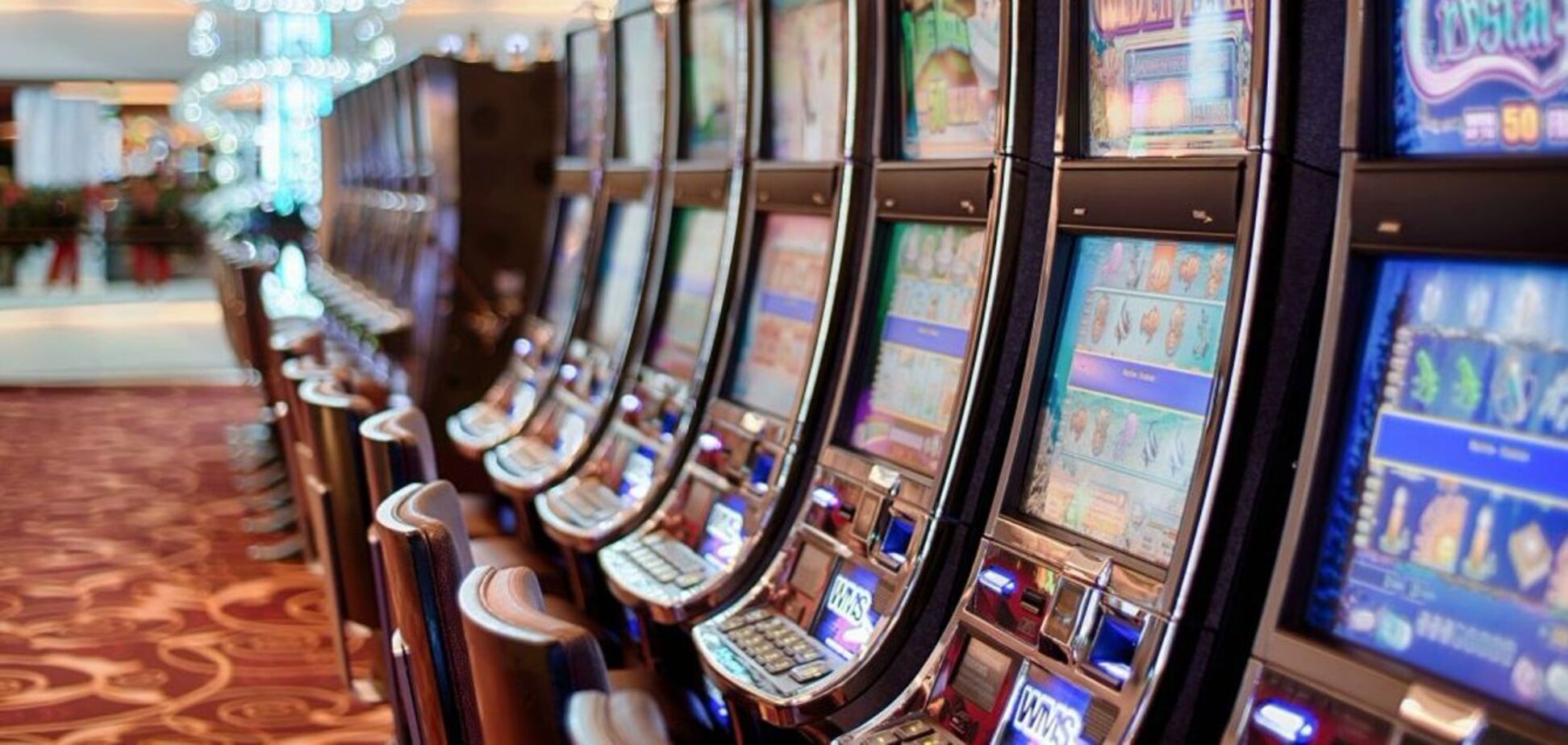
Moreover, casinos strategically design their environments to amplify this psychological trigger. By employing vibrant colors, captivating music, and comfortable seating, they create a sensory experience that keeps players immersed. This sensory engagement not only distracts from the risks involved but also reinforces the connection between excitement and gambling, fostering a cycle of behavior that can lead to problem gambling for some individuals.
The impact of social factors
Social influences play a significant role in gambling behavior. Many individuals are motivated to gamble not just for personal gain but to connect with friends or family. Casinos often serve as social hubs, where the communal experience of gaming fosters camaraderie and enjoyment. This social aspect can diminish the perception of risk, as individuals feel supported by their peers while engaging in gambling activities. To join in on the fun, remember to register and sign in to your favorite online casino.
Additionally, the normalization of gambling within certain social circles can contribute to increased participation. For example, if someone sees friends celebrating after a big win or discussing their latest gaming experiences, they may feel compelled to join in, perceiving gambling as a socially acceptable leisure activity. This phenomenon can create a ripple effect, where an individual’s initial curiosity or desire to fit in leads to habitual gambling, sometimes without the consideration of the financial implications.
Furthermore, the rise of online casinos has expanded the social dimension of gambling. With platforms allowing players to interact in real-time, individuals can share experiences and strategies, thereby enhancing the sense of community. However, this can also exacerbate the potential for addiction, as online gambling often lacks the regulatory safeguards present in physical establishments. As players engage with others online, they may feel increased pressure to gamble more, perpetuating unhealthy habits.
Cognitive biases significantly influence gambling behavior, leading players to make irrational decisions based on erroneous beliefs. One common bias is the “illusion of control,” where individuals believe they can influence the outcome of a game, even in instances of pure chance. This belief often manifests in activities such as slots or roulette, where players may devise strategies or rituals, attributing their success to skill rather than luck.
Another prevalent cognitive bias is the “gambler’s fallacy,” which leads individuals to erroneously believe that past outcomes will influence future results. For example, if a player notices a particular number hasn’t been drawn in a while, they may assume it’s “due” to win soon. Such misconceptions can result in increased gambling behavior, as individuals chase losses or invest in what they believe to be favorable odds, ultimately perpetuating a cycle of financial loss.
Moreover, these cognitive biases can be exacerbated by marketing techniques employed by casinos. Promotions often emphasize big wins and success stories while downplaying losses, reinforcing unrealistic expectations among players. This skewed perception can lead to reckless gambling behavior, as individuals become overly optimistic about their chances of winning and neglect the realities of gambling.
Emotions play a pivotal role in gambling behavior, serving as both motivation and a potential catalyst for compulsive gambling. Many individuals turn to gambling as an escape from stress or negative emotions, seeking the thrill of winning to alleviate feelings of anxiety or sadness. This emotional connection can create a cycle where individuals gamble more to cope with life challenges, leading to an increase in financial and emotional distress.
The excitement of gambling can also evoke feelings of euphoria, especially during winning streaks. This emotional high reinforces the behavior, making individuals more likely to return to gambling despite the risks involved. The release of dopamine, a neurotransmitter associated with pleasure, plays a significant role in this process, reinforcing the idea that gambling can provide a quick emotional boost. However, this can lead to a dangerous dependency on gambling for emotional fulfillment.
Moreover, when losses occur, the emotional fallout can trigger further gambling as individuals attempt to recover their losses, often referred to as “chasing losses.” This cycle can lead to problematic gambling behavior, as emotional triggers overshadow rational decision-making. Understanding these emotional dimensions is crucial for individuals seeking to engage in responsible gambling practices, ensuring they recognize when they may be gambling to address emotional needs rather than for entertainment.
Mafia Casino is committed to promoting responsible gambling while offering an immersive gaming experience tailored for Canadian players. With over 4,200 games, including slots, table games, and live dealer options, the platform prioritizes user security and responsible gaming practices. By implementing features such as deposit limits and self-exclusion options, Mafia Casino encourages players to enjoy their favorite games while keeping their gambling behavior in check.
The site’s focus on user safety extends to fast payouts and exceptional customer support, ensuring a seamless experience for both new and experienced gamblers. Mafia Casino strives to create an environment where players can explore the thrill of gambling without the negative consequences often associated with excessive gambling. The site also offers educational resources to help players understand the psychological aspects of gambling, further promoting responsible practices.
In conclusion, by understanding the psychological triggers that drive gambling behavior, players can make informed decisions and cultivate a healthy relationship with gaming. Mafia Casino not only provides a platform for engaging gameplay but also emphasizes the importance of responsible gambling, creating a space where enjoyment and safety coexist harmoniously.
“`